44.108, -91.988
Regenerate a mature red oak stand to a young stand of similar composition, comparing clearcut and shelterwood methods.
44.1795, -91.9163
Regenerate a mature red oak stand to a young stand of similar composition.
46.04432, -93.56044
Establish oak regeneration while comparing several different silvicultural strategies and techniques.
43.626735, -91.304481
Regenerate a mature oak stand to a young stand of similar composition.
44.06028, -91.97694
Retain oak and walnut in the future mesic hardwood stand and minimize loss of plant diversity due to timber harvesting in a MHs39b plant community.
43.846417, -92.18994
Use a prescribed burn followed by direct seeding to return a reed canary grass area to bottomland hardwood.
43.634511, -91.499047
Convert agricultural land to new Central Hardwoods stand.
43.842362, -92.18504
To return areas with dense reed canary grass to bottomland hardwood forests.
46.101808, -92.481827
To use a two-cut shelterwood system with deer browse protection (exclosures) to maintain northern red oak as a component of Central Dry-Mesic Oak-Aspen-Red Maple Forest
45.398925, -93.712896
Reduce buckthorn and other shrub competition and establish planted red pine seedlings in a recently harvested oak stand transitioning to oak-pine mixed species stand
43.643508, -91.29064
Improve stand health, composition and timber quality through intermediate stand treatments.
44.1426, -92.0103
Regenerate a mature oak and walnut stand to a young stand with similar composition, while improving growth and timber quality of residuals.
44.52316, -92.55608
Regenerate a mature oak stand to a young stand of similar composition using clearcut with reserves method.
45.209418, -88.360515
Promote mixed oak-pine stands for quality sawtimber and wildlife habitat associated with the Northern Dry-Mesic Forest natural community. Test various mechanical scarification techniques to create favorable seedbeds and increase oak and white pine regen.
45.35, -88.433333
Cost effective and operationally feasible control of oak wilt in a forested setting.
44.860534, -89.724711
Stop the spread of an active oak wilt pocket in order to maintain oaks into the future
45.783895, -87.900753
To use root-severing trenching to control oak wilt in forested settings in Michigan’s Upper Peninsula.
45.582931, -94.37608
Retain red and white oak as the dominant species in a mixed hardwood forest.
44.107258, -91.849965
Regenerate a mature oak stand to a young stand of similar composition.
43.597623, -91.318812
Regenerate a mature oak stand to a young stand of similar composition.
44.173115, -92.008917
Regenerate a mature oak stand to a young stand with similar species makeup following a prescription of: underplanting of oak and walnut seedlings 2 to 3 years before harvest; clearcut with reserves harvest; post-sale killing of competing tree stems.
46.956389, -93.715833
To increase the quality and stocking of northern red oak and saplings at the site through the protection of bud caps to reduce browsing, and limit competitor species such as, aspen, ironwood and beaked hazelnut.
43.028782, -90.842558
The goal of this harvest is to regenerate the oak/hickory type, encouraging all oak species.
43.852085, -91.485022
Regenerate a mature oak stand to a young stand of similar composition.
43.859526, -91.467463
Regenerate a mature oak stand to a young stand of similar composition.
43.907925, -92.340917
Establish a mixed hardwood forest with strong walnut and oak components on a former agricultural field.
45.831715, -94.653849
To use a two-cut shelterwood system to maintain a significant oak presence in a future mixed hardwood stand.
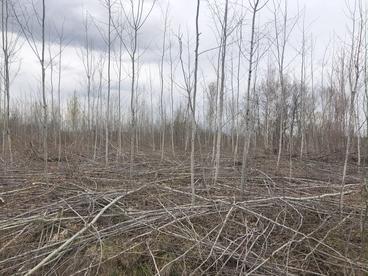
Pre-commercial aspen thinning (UPM Blandin)
Utilize pre-commercial thinning in a quaking aspen (Populus tremuloides) stand to increase diameter growth and decrease rotation age.
Cover type: Aspen-Birch
Swamp tree planting using mounding (Fond du Lac)
Restore this wetland to a culturally useful forested condition that is more resilient to human stressors, particularly climate change, than the previous forest.
Cover type: Ash
Comparing Pine Regeneration Methods and Tactics in the Cloquet Valley State Forest (MN DNR)
The goal on all three stands was to decrease the overall abundance of trembling aspen, paper birch, and balsam fir while increasing the abundance of long-lived conifers such as red pine, white pine, white, and black spruce.
Cover type: Pine
Goose Island Deer Repellent Test (US Army Corps)
The objective of the planting was to test the effectiveness of deer fence and animal protein-based deer repellent on growth and survival of swamp white oak and river birch seedlings.
Cover type: Other
Mississippi River Pool 3 Floodplain Forest Silvicultural Trials (US Army Corps of Engineers)
Promote regeneration of floodplain tree species and prevent conversion of site to reed canary grass. Provide wildlife habitat for the next 50 to 100 years.
Cover type: Other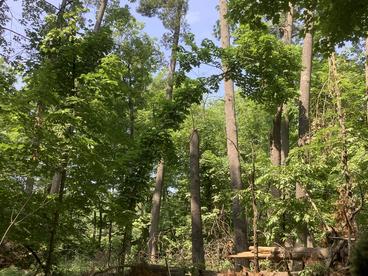
Variable Overstory Density Management for White Pine Regeneration in Two Native Plant Communities (MN DNR)
Establish or maintain uneven aged pine-mixed hardwood stands with a significant white pine component using natural regeneration.
Cover type: Mixed Woods
Shelterwood and slash walls to regenerate northern red oak and eastern hemlock (USFS)
Objectives of this stand include a shelterwood harvest, tending of the stand via understory cutting, constructing a slash wall for deer exclusion, and evaluating the effectiveness of excluding deer and the natural regeneration success.
Cover type: Northern hardwoods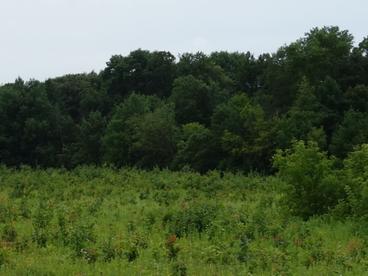
Direct Seeding of Hardwoods on a Former Agricultural Site with Observations on Soil Compaction (MN DNR)
Improve water quality, wildlife habitat, outdoor recreation opportunities and produce forest products by establishing a mixed hardwood stand on a former agricultural field.
Cover type: Other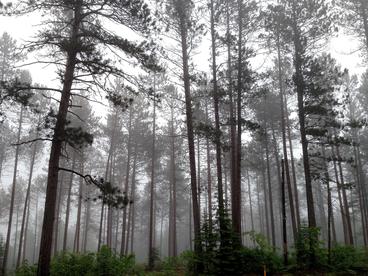
Fuels Reduction Thinning in Multi-Aged Red Pine (UMN-CFC)
To lower stand density in a spatially heterogeneous fashion, reduce fuel-loading in a mature stand by disconnecting foliage between the canopy and sub-canopy, and increase aesthetic appeal of a multi-aged red pine stand.
Cover type: Pine
Oak Scarification Trials using Good Neighbor Authority (USFS/WDNR)
Promote mixed oak-pine stands for quality sawtimber and wildlife habitat associated with the Northern Dry-Mesic Forest natural community. Test various mechanical scarification techniques to create favorable seedbeds and increase oak and white pine regen.
Cover type: Central hardwoods